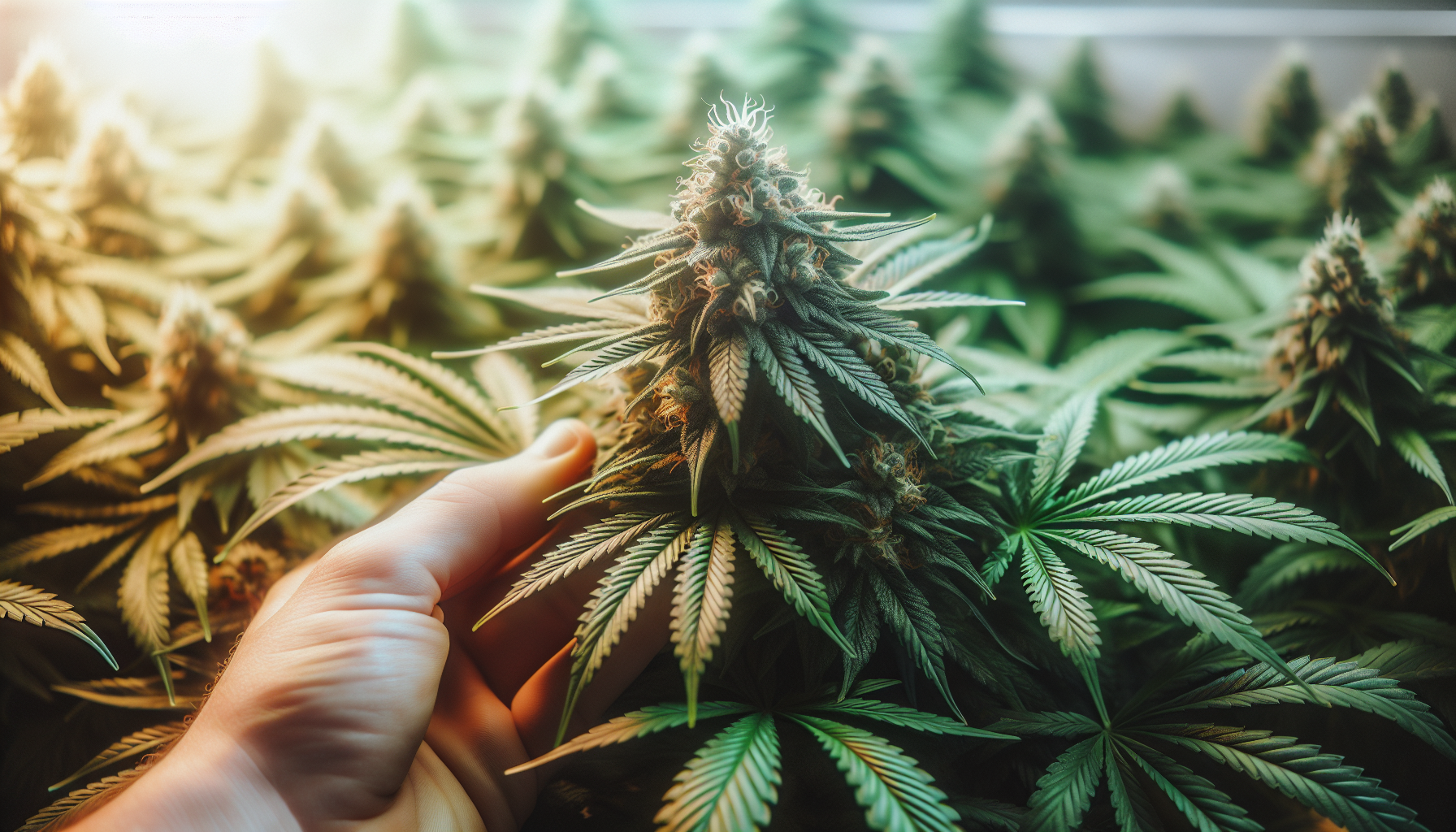
Introduction to Autoflowering Cultivation
Autoflowering cannabis strains are renowned for their ability to flower independently of light cycles. This trait makes them particularly attractive to both beginners and experienced growers seeking a quick harvest. Their genetics originate from Cannabis Ruderalis, which comes from regions with extreme climatic conditions. In our experience, autoflowering strains are ideal for smaller growing spaces and shorter growth cycles.
A common mistake we observe is the assumption that autoflowering plants require less care. This is only partially true. While they are less sensitive to light cycles, they still need the right nutrient supply and environmental conditions to reach their full potential.
Optimal Conditions for Autoflowering Cultivation
The key to successful autoflowering cultivation lies in optimizing growth conditions. In our experience, a consistent environment with temperatures between 20-25°C and humidity levels of 40-60% is ideal. A stable environment promotes healthy growth and flowering development.
The choice of substrate also plays a crucial role. While many growers prefer soil, we have found that growing in coco coir delivers excellent results, as it provides good water and nutrient retention. The pH levels should be in the range of 5.8-6.5 to maximize nutrient uptake.
Nutrient Management and Watering
Autoflowering plants often have a shorter life cycle, meaning they require more nutrients in a shorter time. In our cultivation trials, a balanced nutrient solution tailored to the different growth phases of cannabis has proven crucial for the development of healthy plants.
A common issue is overwatering. Autoflowering plants have smaller root systems, meaning they require less water than photoperiodic strains. We recommend checking the weight of the pots to determine the right time for watering.
Typical Challenges and Solutions
One of the challenges in autoflowering cultivation is the tendency for smaller yields compared to photoperiodic strains. To compensate for this, we recommend growing multiple plants in a smaller space and applying techniques like LST (Low-Stress Training) to maximize yields.
Another aspect many growers overlook is the importance of companion plants for cannabis. These can help repel pests and improve the microclimate. From our experience, these natural helpers can make a significant difference.
Harvest and Post-Processing
The harvest time for autoflowering plants is often reached after just 8-10 weeks. A common mistake is harvesting the buds too early. We recommend regularly checking the trichomes and harvesting only when they have reached a milky to amber hue.
After harvest, proper drying and curing are crucial to preserve the quality and flavor of the buds. A slow drying process at 18-22°C and a humidity level of 45-55% has proven optimal in practice.

About the Author – Ben
Ben has been intensively involved in the cultivation and care of cuttings and the healthy development of plants during the growth phase for several years. His focus lies on low-stress training methods, stable growth conditions, and avoiding common care mistakes. The content is based on practical experience, proven methods, and real observations from daily work with young plants.
Expert contribution & updates: Hannah – Research, contextualization of current methods and observation of new developments.
More about the team behind LeafConnect