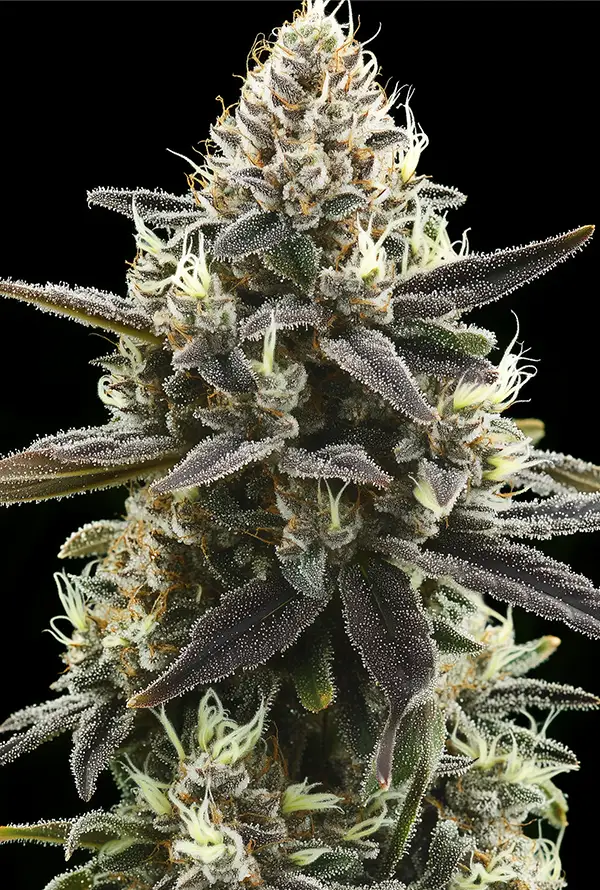
Cannabis in Kokosfaser anbauen: Grundlagen, Vorteile und worauf es ankommt
Der Anbau von Cannabis in Kokosfaser (oft als „Coco“ bezeichnet) verbindet Eigenschaften aus klassischem Erd-Anbau mit der Kontrolle technischer Systeme. Kokosfaser ist kein klassisches Substrat, sondern ein inertes Medium, das Wasser und Luft sehr effizient speichert und der Pflanze ein besonders aktives Wurzelumfeld bietet.
Was Kokosfaser als Substrat besonders macht
Kokosfaser besteht aus zerkleinerten Fasern der Kokosnuss und enthält selbst kaum Nährstoffe. Dadurch lassen sich Nährstoffzufuhr und Wasseraufnahme präziser steuern als bei Erde. Gleichzeitig bleibt das Substrat luftdurchlässig und fördert eine schnelle Wurzelentwicklung.
- Hohe Sauerstoffversorgung: Unterstützt kräftiges Wurzelwachstum.
- Schnelle Reaktion der Pflanze: Veränderungen zeigen sich zeitnah.
- Gute Drainage: Reduziert Staunässe im Vergleich zu schweren Böden.
Unterschiede zwischen Kokosfaser und Erde
Im Gegensatz zu Erde wirkt Kokosfaser kaum als Puffer. Während Erde kleinere Fehler ausgleichen kann, reagieren Pflanzen in Coco direkter auf Veränderungen. Das ermöglicht zwar mehr Kontrolle, erfordert aber auch Aufmerksamkeit und ein gutes Verständnis für Pflanzenreaktionen.
Wenn du einen direkten Vergleich suchst, bietet dieser Beitrag eine hilfreiche Einordnung: Anbau von Cannabis in Erde.
Die Bedeutung des Wurzelsystems im Coco-Anbau
Kokosfaser fördert ein feines, stark verzweigtes Wurzelsystem. Da das Medium sehr luftig ist, können sich Wurzeln schnell ausbreiten. Diese Dynamik macht Kokosfaser besonders attraktiv für Stecklinge, die von Anfang an ein aktives Wurzelwachstum benötigen.
Eine Übersicht zu geeigneten Pflanzen findest du in der Kategorie THC Stecklinge.
Für wen eignet sich der Anbau in Kokosfaser?
Coco wird häufig von Growern gewählt, die bereits ein Grundverständnis für Pflanzenpflege haben und mehr Kontrolle über den Entwicklungsprozess wünschen. Auch ambitionierte Einsteiger können davon profitieren, wenn sie bereit sind, Pflanzen regelmäßig zu beobachten und Anpassungen bewusst vorzunehmen.
Einfluss von Genetik und Sortentyp
Die Reaktionsfreudigkeit von Kokosfaser macht genetische Unterschiede besonders sichtbar. Sorten mit schnellem Wachstum oder höherem Nährstoffbedarf zeigen ihre Eigenschaften hier deutlich. Deshalb ist eine realistische Einschätzung der Genetik hilfreich.
Zur Einordnung von Wuchsform und Eigenschaften hilft dieser Überblick: Sativa vs. Indica – was wirklich zählt.
Typische Herausforderungen beim Coco-Anbau
Die häufigsten Probleme entstehen durch Unterschätzung der Reaktionsgeschwindigkeit von Kokosfaser. Dazu zählen:
- zu schnelle oder zu starke Änderungen ohne Beobachtungsphase,
- fehlende Struktur in der Pflege,
- Vernachlässigung der Wurzelgesundheit.
Ein ruhiger, strukturierter Umgang ist der Schlüssel, um die Vorteile von Kokosfaser auszuspielen.
Warum die Qualität der Ausgangspflanze besonders wichtig ist
Da Coco wenig ausgleicht, zeigt sich die Qualität der Ausgangspflanze sehr früh. Vitale, sauber strukturierte Pflanzen entwickeln sich deutlich stabiler als geschwächte Exemplare.
Worauf du bei der Auswahl achten solltest, erklärt dieser Leitfaden: Wie man hochwertige Hanfstecklinge findet.
Häufige Fragen zum Anbau von Cannabis in Kokosfaser
Ist Kokosfaser für Anfänger geeignet?
Kokosfaser kann auch von Anfängern genutzt werden, erfordert jedoch mehr Aufmerksamkeit als Erde. Wer bereit ist, Pflanzenreaktionen genau zu beobachten, kann davon profitieren.
Ist Coco eher Erde oder Hydro?
Kokosfaser liegt zwischen Erde und hydroponischen Systemen. Sie bietet die Kontrolle technischer Methoden, bleibt aber haptisch näher an klassischen Substraten.
Wo finde ich Antworten zu allgemeinen Abläufen?
Viele organisatorische Fragen sind in den FAQ zusammengefasst.
Was du aus dem Anbau in Kokosfaser mitnehmen kannst
Kokosfaser bietet eine dynamische, kontrollierbare Umgebung für den Cannabis-Anbau. Wer die Besonderheiten des Mediums versteht und strukturiert arbeitet, kann sehr gleichmäßige und vitale Pflanzen entwickeln.

Über den Autor – Ben
Ben beschäftigt sich seit mehreren Jahren intensiv mit der Aufzucht und Pflege von Stecklingen sowie der gesunden Entwicklung von Pflanzen in der Wachstumsphase. Sein Schwerpunkt liegt auf stressarmen Trainingsmethoden, stabilen Wachstumsbedingungen und der Vermeidung typischer Pflegefehler. Die Inhalte basieren auf praktischer Erfahrung, bewährten Methoden und realen Beobachtungen aus der täglichen Arbeit mit Jungpflanzen.
Fachliche Ergänzung & Aktualisierung: Hannah – Recherche, Einordnung aktueller Methoden
und Beobachtung neuer Entwicklungen.
Mehr über das Team hinter LeafConnect