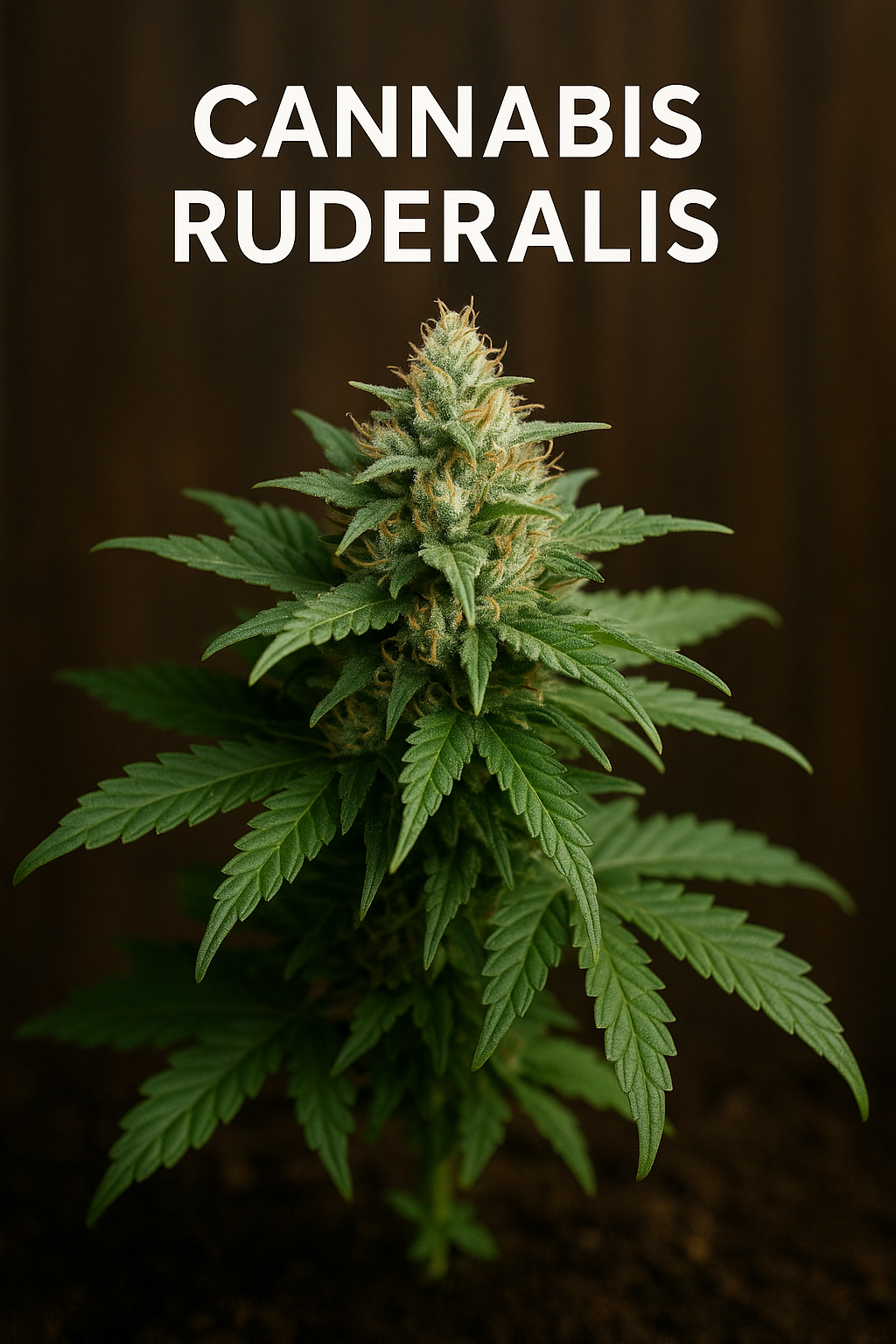
Ruderalis: Die unterschätzte Cannabis-Sorte im Rampenlicht
Wenn über Cannabis gesprochen wird, fallen fast immer zwei Begriffe: Indica und Sativa. Dabei wird eine dritte Linie oft übersehen: Cannabis ruderalis. Ruderalis ist nicht „der Star für maximale Blütenmasse“, aber sie ist genetisch extrem interessant – vor allem, weil sie die Grundlage vieler Autoflowering-Sorten bildet. In diesem Beitrag erfährst du, was Ruderalis ausmacht, warum sie für moderne Züchtung so wichtig ist und wie du sie realistisch einordnest.
Was ist Ruderalis überhaupt?
Ruderalis beschreibt Cannabis-Pflanzen, die sich über Generationen an harte Bedingungen angepasst haben – häufig mit kurzen Sommern, wenig planbarer Witterung und begrenzten Ressourcen. Das spiegelt sich in typischen Merkmalen wider: kompakter Wuchs, robuste Grundresistenz und vor allem eine Besonderheit, die Ruderalis berühmt gemacht hat: die autoflowering Blüte (zeitgesteuert statt lichtgesteuert).
Warum Ruderalis heute wieder relevant ist
Ruderalis ist für moderne Sortenentwicklung entscheidend, weil sie Züchtern ermöglicht, Eigenschaften zu kombinieren: die automatische Blüte aus Ruderalis zusammen mit Aroma-, Struktur- oder Potenzialmerkmalen aus Indica- oder Sativa-Linien. Das Ergebnis sind häufig Sorten, die unkomplizierter im Ablauf sind – aber auch ihre eigenen Grenzen haben.
Wenn du den Unterschied zwischen genetischen Linien besser verstehen willst, hilft dir dieser Überblick: Sativa vs. Indica – was wirklich zählt.
Ruderalis im Vergleich: Was unterscheidet sie von Indica und Sativa?
Damit du Ruderalis schneller einordnen kannst, findest du hier eine übersichtliche Vergleichstabelle. Die erste Zeile und erste Spalte sind Überschriften, die Darstellung ist im gleichen Stil wie bei deiner vorherigen Tabelle.
| Kriterium | Ruderalis | Indica | Sativa |
|---|---|---|---|
| Blüteauslösung | Zeitgesteuert (autoflowering möglich) | Lichtabhängig | Lichtabhängig |
| Wuchsform | Kompakt, oft niedrig | Kompakt bis buschig | Eher hoch, oft „stretchig“ |
| Entwicklungszeit | Meist kürzer | Flexibel | Flexibel |
| Ertragspotenzial | Eher niedrig bis mittel (reine Ruderalis) | Mittel bis hoch | Mittel bis hoch |
| Typischer Einsatz | Zuchtgrundlage für Autoflowering | Kompakte Setups, klassische Photoperioden | Größere Setups, längere Entwicklung |
Autoflowering & Ruderalis: Was du realistisch erwarten solltest
Viele moderne Autoflowering-Sorten sind nicht „reine Ruderalis“, sondern Hybride: Ruderalis liefert die automatische Blüte, Indica/Sativa liefern weitere Eigenschaften. Das macht Autoflowering für manche Setups attraktiv, aber der feste Zeitrahmen bedeutet auch: weniger Spielraum für Korrekturen. Wenn du genau dazu mehr wissen willst:
Sind autoflowering Stecklinge von guter Qualität?
Was bedeutet das für Stecklinge?
Wenn du mit Stecklingen arbeitest, ist Planbarkeit ein großer Vorteil – vorausgesetzt, Qualität und Herkunft stimmen. Gerade bei sensiblen Phasen lohnt sich ein Blick auf klare Qualitätsmerkmale:
Wie man hochwertige Hanfstecklinge findet
Für einen Überblick über verfügbare Pflanzen findest du hier passende Optionen: THC Stecklinge.
FAQ zu Ruderalis
Ist Ruderalis „schwächer“ als Indica oder Sativa?
Reine Ruderalis-Linien werden häufig nicht wegen maximaler Potenz oder Ertrag gewählt, sondern wegen ihrer genetischen Eigenschaften – vor allem der automatischen Blüte. Bei Hybriden hängt das Ergebnis stark von der Kreuzung ab.
Ist Ruderalis nur für Anfänger interessant?
Nicht unbedingt. Anfänger profitieren oft von übersichtlichen Abläufen, aber Ruderalis ist vor allem für Züchtung und Sortenentwicklung relevant – also auch für fortgeschrittene Anwender.
Wo finde ich praktische Antworten zu Bestellung, Versand und Ablauf?
Viele organisatorische Themen sind in den FAQ zusammengefasst.
Zusammenfassung
Ruderalis ist keine Randnotiz, sondern ein wichtiger Baustein moderner Cannabis-Genetik. Ihre Stärke liegt weniger in maximalem Ertrag, sondern in der autoflowering Eigenschaft, die viele heutige Sorten geprägt hat. Wenn du Ruderalis als genetisches Werkzeug verstehst und realistische Erwartungen setzt, kannst du ihre Rolle in der Sortenwahl deutlich besser einordnen.
Wenn du tiefer in Grundlagen, Genetik und Praxis einsteigen willst, findest du passende Inhalte in unserer Cannabis-Literatur.

Über die Autorin – Hannah
Hannah beschäftigt sich mit der Recherche, Einordnung und Beobachtung aktueller Entwicklungen im Bereich Pflanzenpflege und moderner Anbautechniken. Ihr Fokus liegt auf neuen Methoden, Optimierung von Wachstumsbedingungen und der verständlichen Aufbereitung komplexer Themen. Ihre Inhalte ergänzen praxisnahe Erfahrungswerte durch Analyse, Aktualisierung und den Blick auf neue Trends.
Der Inhalt wird regelmäßig überprüft und aktualisiert.
Mehr über das Team hinter LeafConnect