Strain Finder
Hemp Growing in Northern Germany: Thrive in a Cool Maritime Climate
Unlock the secrets to successful cannabis cultivation in Hamburg, Schleswig-Holstein, and beyond. Expert advice for cool, humid conditions.
Choose another regionCurrent weather
Current weather — Hamburg
12°C
Sa12°7°
So16°7°
Mo19°10°
Covers: Schleswig-Holstein, Hamburg, Bremen, Mecklenburg-Vorpommern, Niedersachsen
Northern Germany, encompassing regions like Hamburg, Schleswig-Holstein, Bremen, Mecklenburg-Vorpommern, and Niedersachsen, is characterized by a cool maritime climate. This means growers can expect moderate summers, typically not excessively hot, and relatively mild winters. A defining feature of this zone is its consistent rainfall spread throughout the year, coupled with high humidity levels. The proximity to the North and Baltic Seas significantly influences these conditions, leading to fewer extreme temperature fluctuations but a pervasive dampness. Sunlight intensity can be lower compared to more southern, continental regions, and the growing season, while long enough, demands strategic planning. These climatic factors present unique challenges and opportunities for hemp cultivators. The high humidity, in particular, requires diligent management to prevent fungal diseases, while the consistent moisture can be beneficial if managed correctly to support healthy plant growth. Understanding these nuances is crucial for selecting appropriate strains and employing effective cultivation practices to ensure a thriving harvest in this distinctive environment.
Grow-Tipps
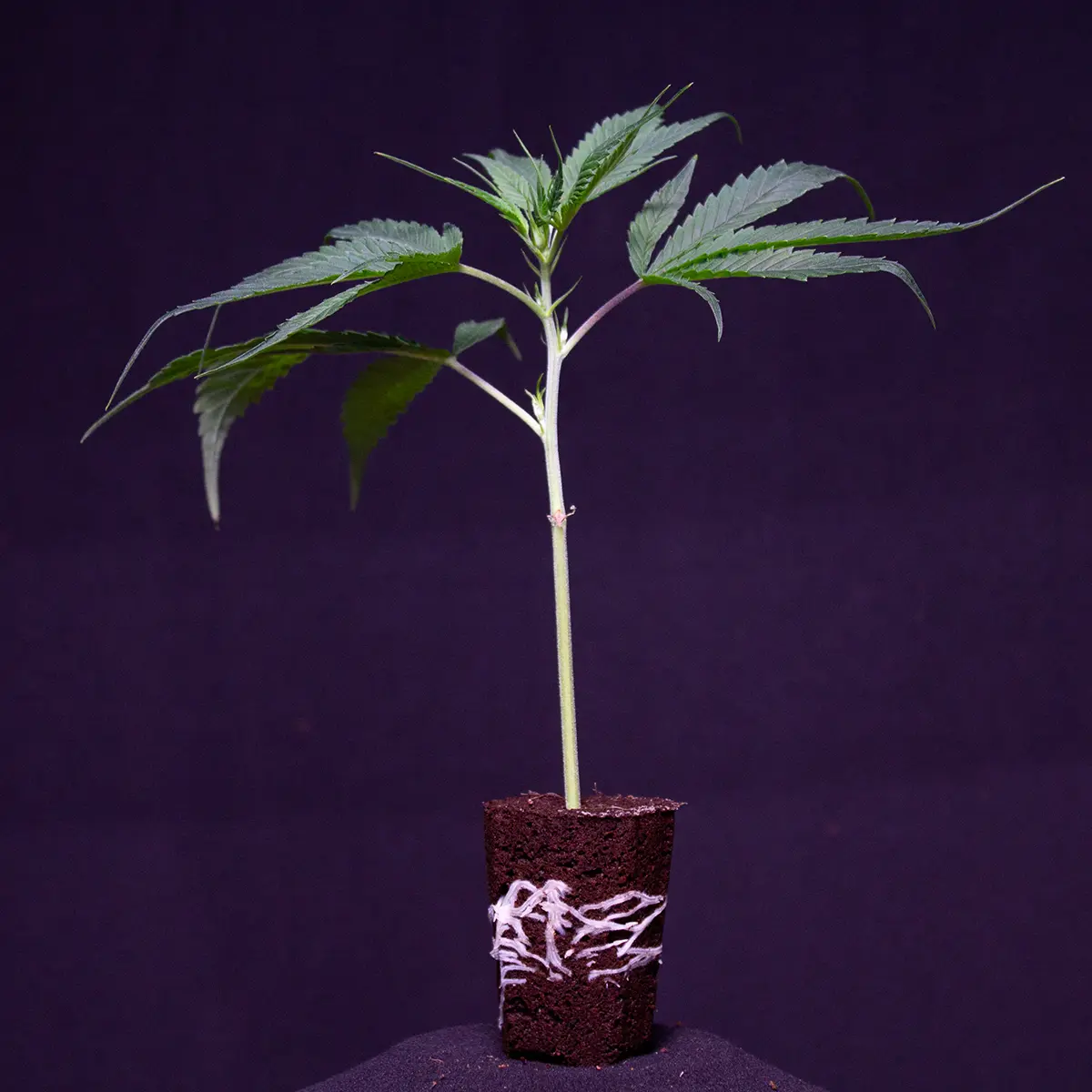
Cultivating hemp in Northern Germany's cool, humid climate requires strategic planning. Prioritize selecting mold-resistant, fast-flowering, or autoflowering hemp varieties. These types are better adapted to shorter, less intense summers and can be harvested before the onset of the damper autumn. Ensure excellent air circulation around your plants, whether in a greenhouse or outdoors. Spacing plants adequately and strategic defoliation can greatly reduce humidity pockets within the canopy, mitigating the risk of mold. Raised garden beds improve drainage and warm the soil faster in spring, which is beneficial. Start your clones indoors or in a protective environment to give them a strong start before transplanting them outdoors after the last frost, typically in late April or early May. Monitor weather forecasts closely, especially as harvest approaches, to protect plants from prolonged heavy rains. Consider using hoop houses or simple rain shelters for outdoor grows to shield plants from excessive moisture during critical flowering stages. Implement organic preventative pest and disease management, as the damp conditions can also favor certain pests.
Recommended for your region
These strains are specifically optimised for your region's climate and deliver the best outdoor results there.
65/100
THC 18-20%Indica-dominant
15,00 €
65/100
THC 20-25%Indica-dominant
15,00 €
60/100
THC 27%Indica-dominant
17,50 €
55/100
THC 0.6%CBD 26%Sativa-dominant
7,99 €
55/100
THC 18%Indica-dominant
12,50 €
55/100
THC 0.7%CBD 17%Hybrid
9,95 €
45/100
THC 15-25%Indica-dominant
11,00 €
45/100
THC 20-24%Hybrid
15,00 €
45/100
THC 20-25%Hybrid
12,50 €
40/100
THC 20-24%Hybrid
12,00 €
40/100
THC 25%Sativa-dominant
13,00 €
40/100
THC 0.6%CBD 16%Indica-dominant
9,95 €
Frequently asked questions
What are the best hemp strains for Northern Germany's climate?
For Northern Germany's cool and humid maritime climate, Indica-dominant, early-flowering Sativa hybrids, or autoflowering hemp varieties are highly recommended. Look for strains known for their robust mold resistance, compact growth structure, and ability to finish flowering before the late autumn rains.
When is the optimal outdoor growing season in this region?
The ideal outdoor growing season for hemp clones in Northern Germany typically begins in late April to early May, once the risk of late frosts has passed. Harvesting usually takes place from late September to mid-October, depending on the strain and weather, aiming to avoid the peak of autumn dampness.
What are the main challenges for hemp growers in Northern Germany?
The primary challenges are high humidity, which significantly increases the risk of mold and fungal diseases (like bud rot), cooler average temperatures that can slow plant development, and less intense sunlight compared to sunnier climates. Managing moisture and ensuring adequate air circulation are critical.
How can growers combat mold and pests effectively?
To combat mold, ensure proper plant spacing, good air circulation through pruning and defoliation, and consider rain shelters or greenhouses. For pests, employ integrated pest management (IPM) strategies, including companion planting, beneficial insects, and organic sprays as a preventative measure. Regular inspection is key.
What kind of yields can be expected from outdoor hemp in this zone?
With careful strain selection, diligent plant care, and effective mold prevention, growers in Northern Germany can achieve moderate to good yields. While potentially not as high as in consistently warm, sunny, and dry climates, focusing on quality through robust management practices will lead to a successful harvest.