Strain Finder
Growing Hemp in Central Germany: NRW, Hessen, Thüringen, Sachsen
Unlock successful hemp clone cultivation across Central Germany's unique mixed climate. Expert insights for thriving harvests in NRW, Hessen, Thüringen, and Sachsen.
Choose another regionLeafConnect
Recommended by the LeafConnect Team
Hand-picked strains — scored by climate fit, yield potential, and growing reliability for your region.
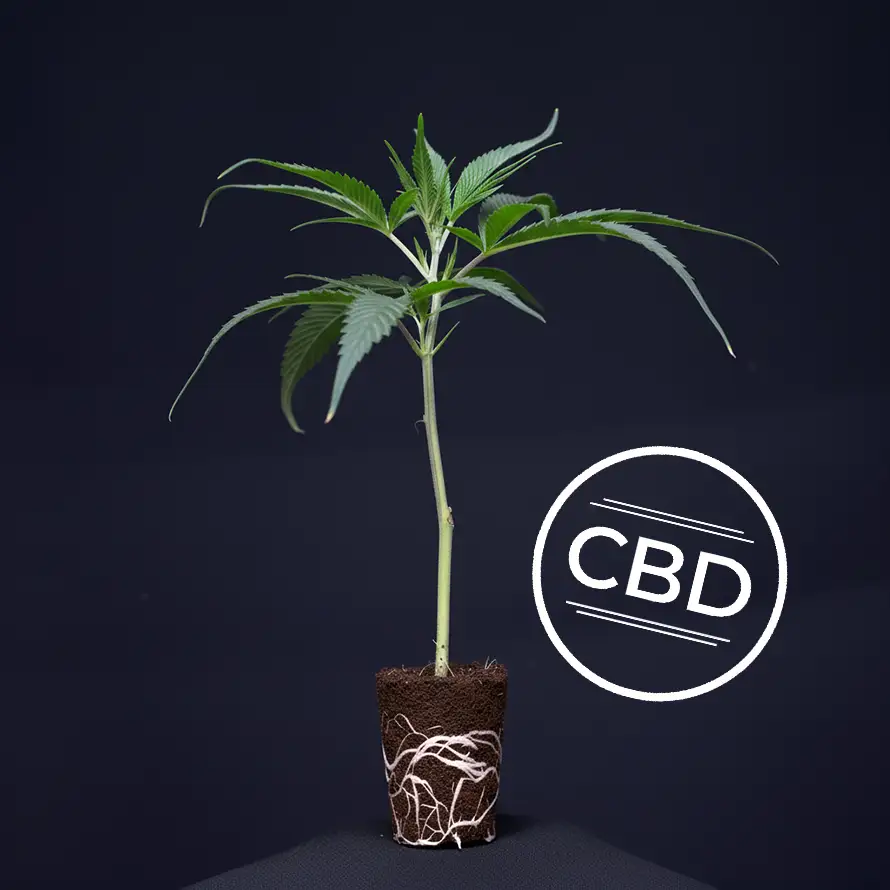
Plutonium CBD
Plutonium CBD Plutonium CBD ist ein Sativa-dominanter CBD Steckling mit 26 % CBD und nur 0,6 % THC. Damit biet
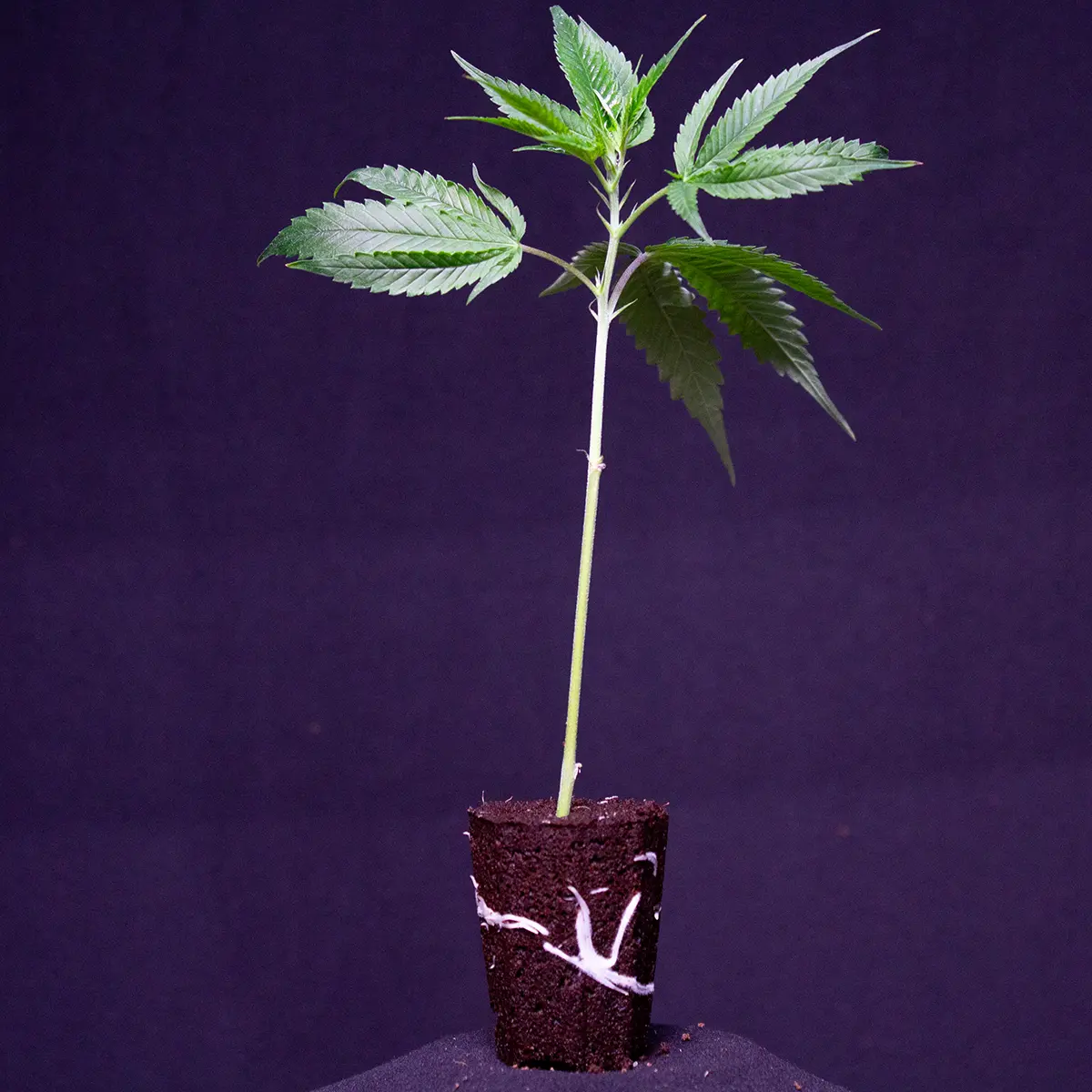
Watermelon Zkittlez
Watermelon Zkittlez Watermelon Zkittlez ist ein Indica-dominanter THC Steckling mit 27 % THC von Barneys Farm.
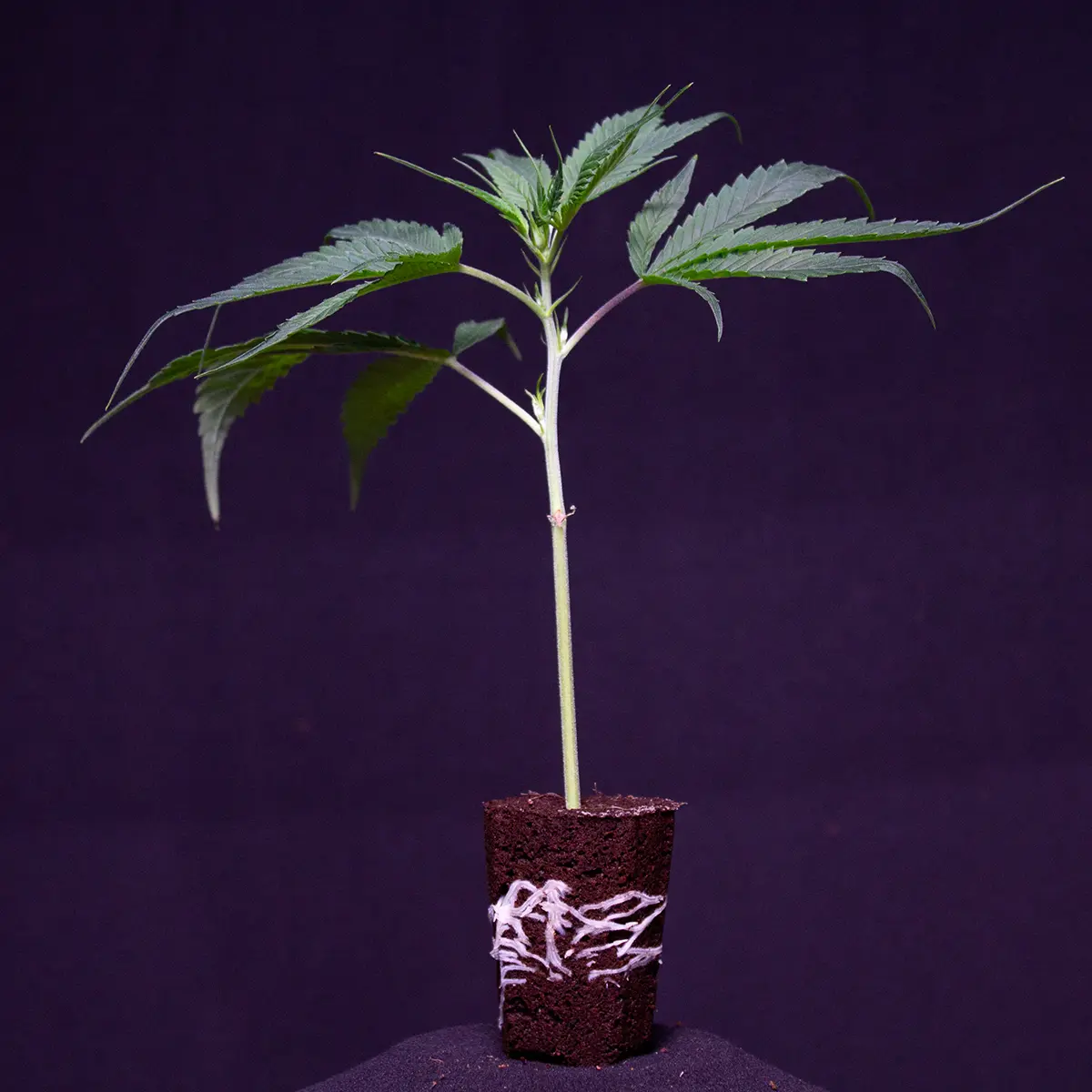
CI - California Indi
CI California Indi Steckling – klassische Indica für entspannte Stunden Ein robuster Hybrid mit kalifornischem
Current weather
Current weather — Frankfurt am Main
14°C
Covers: Nordrhein-Westfalen, Hessen, Thüringen, Sachsen
Grow-Tipps
Recommended for your region
These strains are specifically optimised for your region's climate and deliver the best outdoor results there.
Frequently asked questions
Which hemp strains are most suitable for Central Germany's climate?
When is the best time to plant hemp clones outdoors in this region?
What are the main challenges for hemp growers in Central Germany?
How should I address mold and pests in this climate?
What kind of yields can I expect from outdoor hemp cultivation here?
How to Find Your Perfect Hemp Recommendations
The LeafConnect Strain Finder analyses the temperate climate in NRW, Hesse, Thuringia, and Saxony and gives you concrete recommendations — scored on climate fit, flowering time, yield potential, and mould resistance. You can see at a glance which strains best suit your growing conditions.
Whether you grow outdoors in a garden or indoors in a grow tent, whether you are a beginner or an experienced grower — our system matches every strain to the specific climate profile of your region and filters out all unavailable items. That way you only see relevant recommendations you can order straight away.
Browse the top recommendations at the top of this page or restart the Strain Finder to enter your personal criteria. We regularly update the recommendation list and score new strains as soon as they become available.
What criteria does LeafConnect use for recommendations?
Our recommendation system scores every strain on four main criteria: climate fit (how well the strain handles your region's conditions), flowering time (whether harvest is possible before the first autumn frost), yield potential, and mould resistance. Each criterion is weighted and combined into an overall fit score (0–100) — the higher the score, the better the strain matches your growing conditions.
Are the recommendations suitable for beginners?
Yes, absolutely. The Strain Finder is particularly supportive for beginners: robust, forgiving strains with a fit score above 75 for your region are shown first. These cuttings grow steadily, require little experience, and ripen reliably. You can spot beginner-friendly recommendations by the green fit badge directly in the recommendation list.
How do I get personal strain recommendations from LeafConnect?
Use our Strain Finder at the top of the page: answer 4 short questions about your grow location, experience, and desired effect — and instantly receive personalised recommendations for the best-matched hemp clones from our range.