Strain Finder
Eastern Germany Hemp Cultivation: Thrive in Continental Climates
Unlock successful hemp cultivation in Berlin, Brandenburg, and Sachsen-Anhalt with expert guidance and premium clones tailored for your region.
Choose another regionLeafConnect
Recommended by the LeafConnect Team
Hand-picked strains — scored by climate fit, yield potential, and growing reliability for your region.
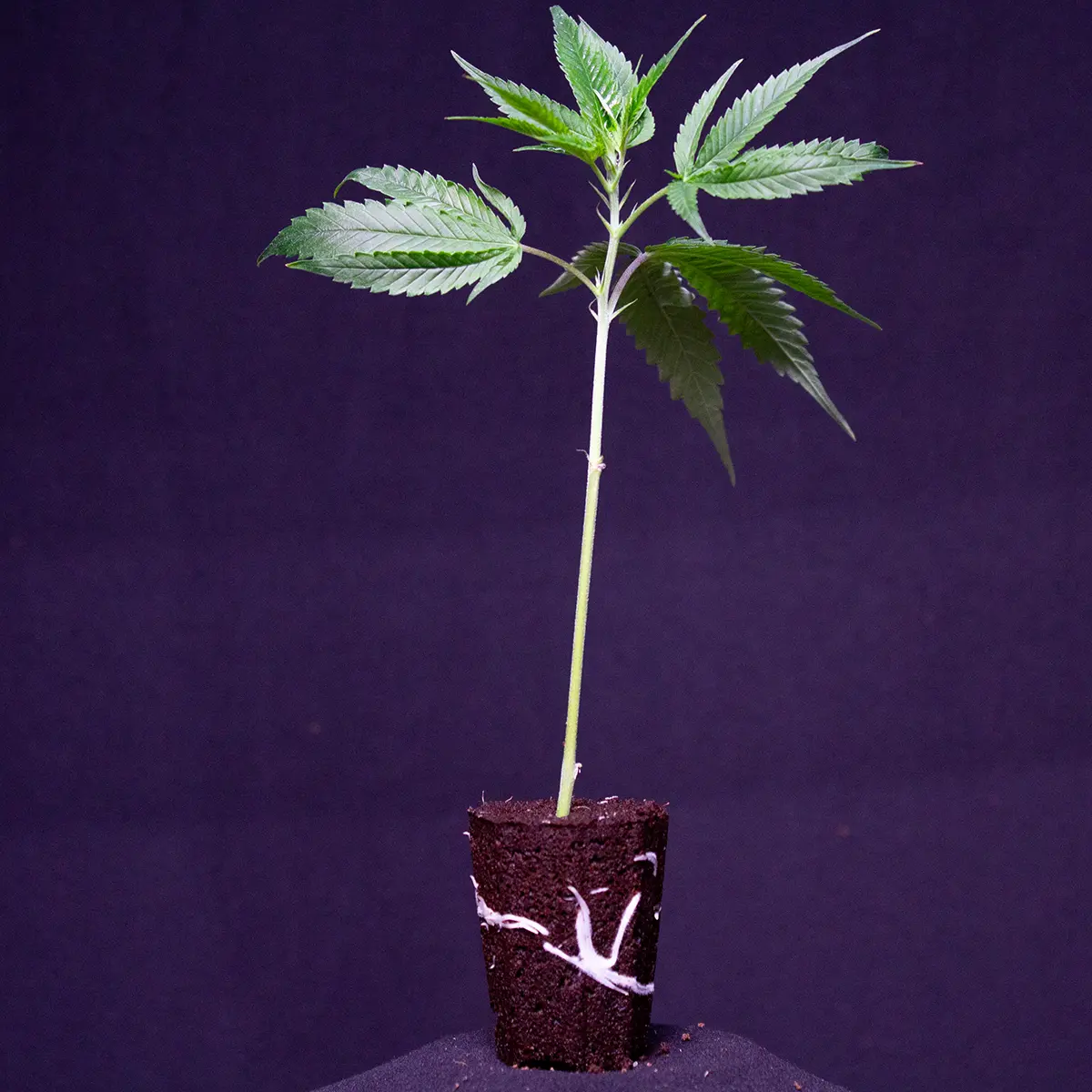
Watermelon Zkittlez
Watermelon Zkittlez Watermelon Zkittlez ist ein Indica-dominanter THC Steckling mit 27 % THC von Barneys Farm.
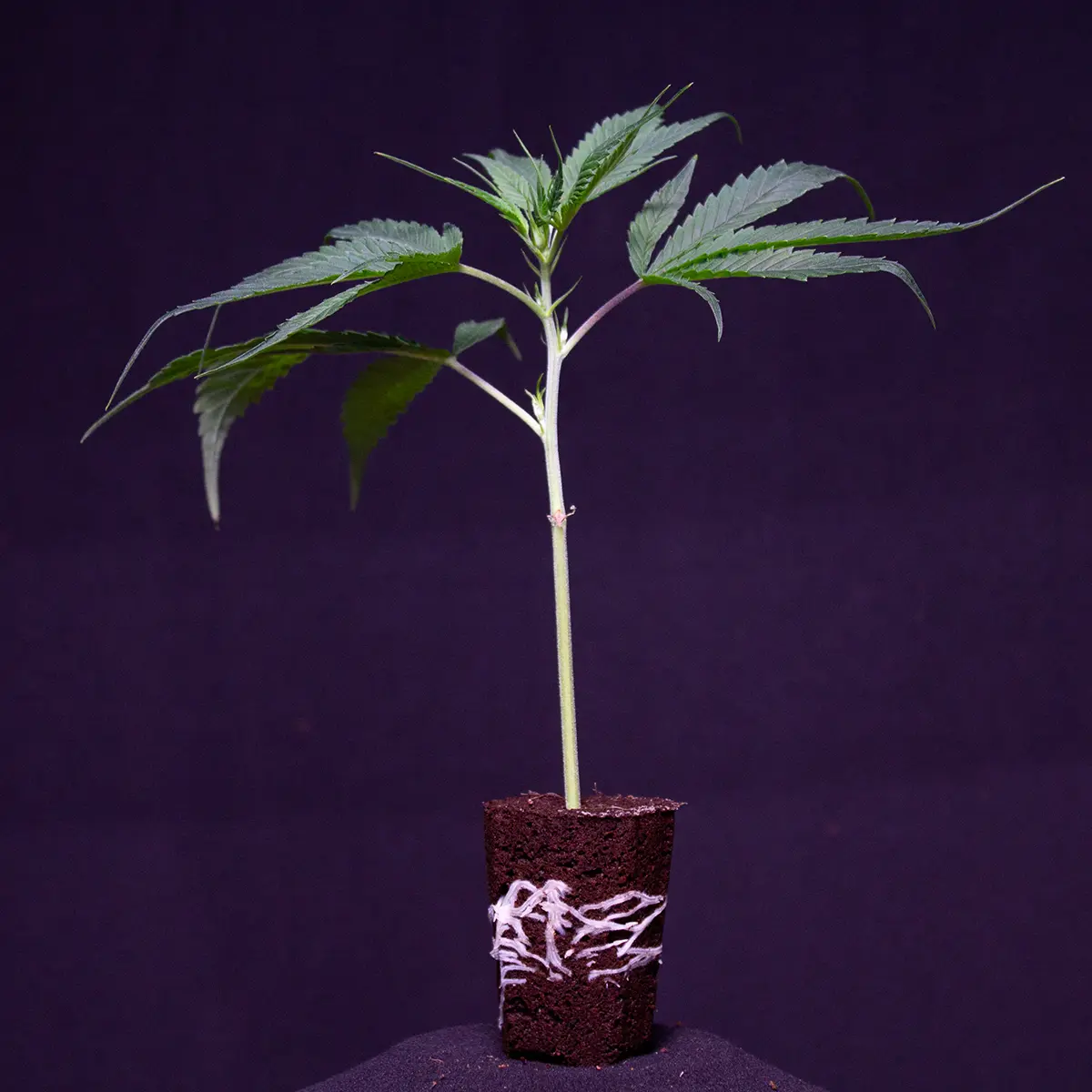
CI - California Indi
CI California Indi Steckling – klassische Indica für entspannte Stunden Ein robuster Hybrid mit kalifornischem
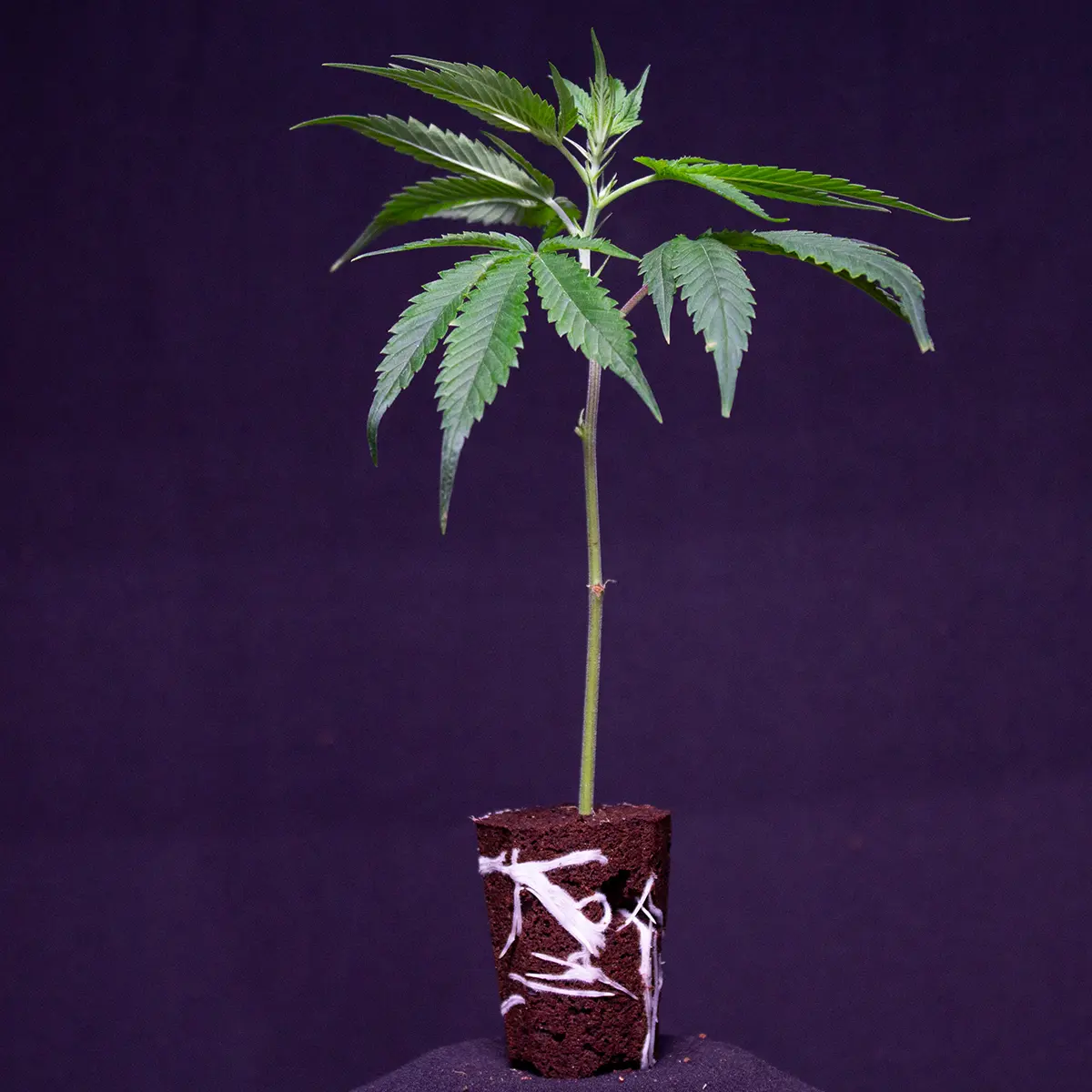
Critical Kush
Critical Kush Steckling – starke Indica für tiefe Entspannung Ein echter Klassiker unter den Indicas Der Criti
Current weather
Current weather — Berlin
17°C
Covers: Berlin, Brandenburg, Sachsen-Anhalt
Grow-Tipps
Recommended for your region
These strains are specifically optimised for your region's climate and deliver the best outdoor results there.
Frequently asked questions
What are the best hemp strains for Eastern Germany's climate?
When is the optimal outdoor growing season for hemp clones in this region?
What are the typical challenges faced by hemp growers in Eastern Germany?
How should I address mold and pest considerations in this climate?
What kind of yields can I expect from growing hemp clones outdoors in Eastern Germany?
Our Recommendations in the Strain Finder
Eastern Germany's continental climate — scorching summers in Berlin, dry plains of Brandenburg, sunny autumns in Saxony-Anhalt — demands strains that handle heat, drought, and early autumn cold at once. For beginners, our team recommends robust indica hybrids with a flowering time under 9 weeks and a fit score above 80: they ripen reliably before the first frost and forgive small cultivation mistakes.
For experienced growers aiming for maximum yields, drought-resistant sativa-dominant strains are the first choice. The region's long, sunny summer days allow for enormous vegetative growth — choose cuttings with high stress tolerance and water regularly during the hot months of July and August. Strains with a strong main cola particularly benefit from the region's intense sunshine hours.
All our recommendations for the eastern region are available directly in the Strain Finder — sorted by fit score and exclusively featuring available strains. We regularly update the list and evaluate every strain on climate suitability, mould resistance, and yield potential. Browse the top clones above or restart the Strain Finder to find your perfect recommendation.