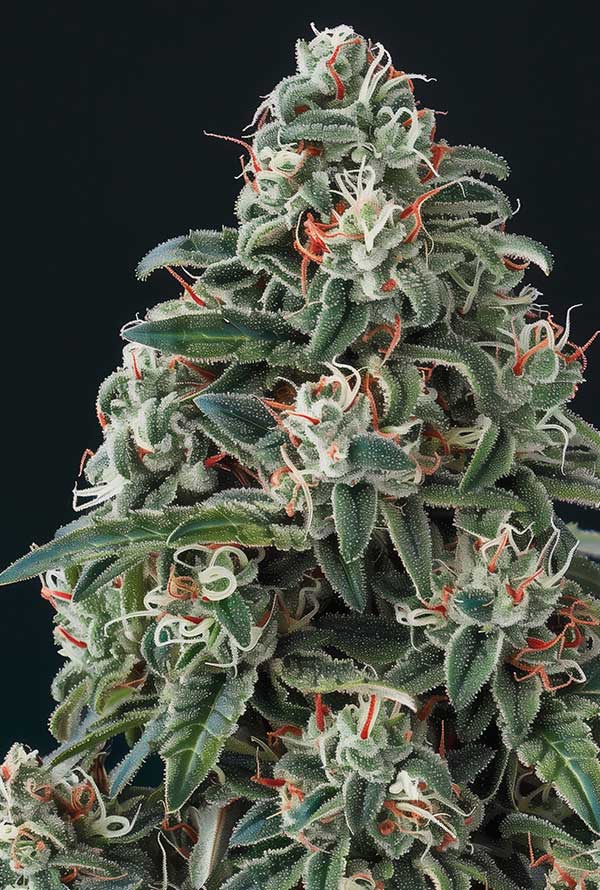
Pests & Diseases in Cannabis Cuttings: Prevention and Proper Response
Cannabis cuttings are particularly sensitive in the early weeks. Pests and diseases can quickly spread and cause developmental issues if not identified early or if prevention is neglected. In this article, you’ll learn about the most common risks, how to prevent them, and how to respond effectively if they occur—without panic, but with a clear focus on plant vitality and health.
Why Cuttings Are Especially Sensitive in the Early Phase
Cuttings initially do not have a fully developed root system and rely heavily on their photosynthesis surface. Any additional stress—whether from pest pressure, fungal infection, or environmental stress—can delay or weaken their development.
Common Pests in Cuttings
Even though cuttings are still small, certain pests can become particularly problematic. The main groups are:
- Soil and Root Aphids: Small, sap-sucking insects that disrupt root growth.
- Aphids: Can weaken leaf mass and leaf surfaces.
- Spider Mites: Common in warm, dry air.
- Thrips & Whiteflies: Suck plant sap and transmit stress.
The best strategy is prevention: a clean setup, regular visual inspections, and an environment that does not favor pest pressure.
Common Diseases — From Mold to Root Rot
In addition to pests, cuttings can also be affected by disease-related problems. It’s important to know the typical risk factors:
- Mold/Powdery Mildew: Especially in high humidity and poor ventilation.
- False Root Rot: Caused by moisture, low temperatures, or lack of oxygen in the substrate.
- Bacterial Leaf Spots: Visible as localized, dark discolorations.
A well-thought-out climate and clean conditions help minimize these risks.
Pest and Disease Prevention: Practical Measures
1) Clean Working Environment
Hygiene is not an annoying extra task but a central component of good plant care: disinfect tools, use clean containers, and create separate areas for „new arrivals“ and „in stock.“ This also helps prevent the introduction of pathogens.
2) Monitor the Microclimate
Consistent temperature and moderate humidity not only support growth but also reduce the risk of mold and mites. An environment that is rarely „too humid“ or „too warm“ reduces several risk factors simultaneously.
3) Regular Visual Inspections
A simple yet effective measure: briefly check the plants daily. Look for:
- discolored leaf tips,
- small moving dots (indicating mites/pests),
- whitish coatings (mold/mildew),
- wilted or drooping leaves.
Early detection makes targeted response easier.
Gentle Rather Than Harsh: Low-Stress Intervention
If you need to take action, the rule is: as local and gentle as possible. Every aggressive intervention causes stress and drains the energy of the cuttings. Before resorting to sprays or chemical agents, consider:
- improving air circulation,
- opening covers/tight spaces,
- checking if the climate can be adjusted.
For an understanding of leaf/cutting interventions, this article helps: Do you need to trim leaves on THC cuttings?
Internal Support: Quality Check Before Starting
Especially outdoors or in changing conditions, robust basic vitality pays off. Cuttings with a clear structure and healthy leaves have a better chance of withstanding stress. A practical guide to cutting quality can be found here: How to find high-quality cannabis cuttings.
FAQ: Pest and Disease Questions Simply Explained
How do I detect pests early?
Early warning signs are small movements on the leaf surface, localized discolorations, or shiny deposits. Daily visual checks help quickly identify irregularities.
Does air circulation really help against problems?
Yes: Good air movement reduces moisture hotspots and makes it harder for mold and mites to establish.
Can you distinguish metabolic stress from disease stress?
In early phases, this is not always clear. Observe combinations of behavior, moisture, temperature, and leaf patterns to narrow it down more precisely.
Summary
Pests and diseases are not „panic topics“ but a natural part of working with living plants. Those who know their cuttings well, have a clean setup, and minimize the basic risk factors create an environment where the plants can grow vigorously and stably. Observation, hygiene, and low-stress interventions are the most important levers here.
If you want to view a selection of stable plants, check out the THC cuttings.
And if you want to delve deeper into cultivation basics, you’ll find suitable content in our Cannabis Literature.

About the Author – Hannah
Hannah focuses on researching, contextualizing, and observing current developments in plant care and modern cultivation techniques. Her focus lies on new methods, optimizing growth conditions, and making complex topics accessible. Her content complements practical experience with analysis, updates, and a keen eye on emerging trends.
Content is regularly reviewed and updated.
More about the team behind LeafConnect