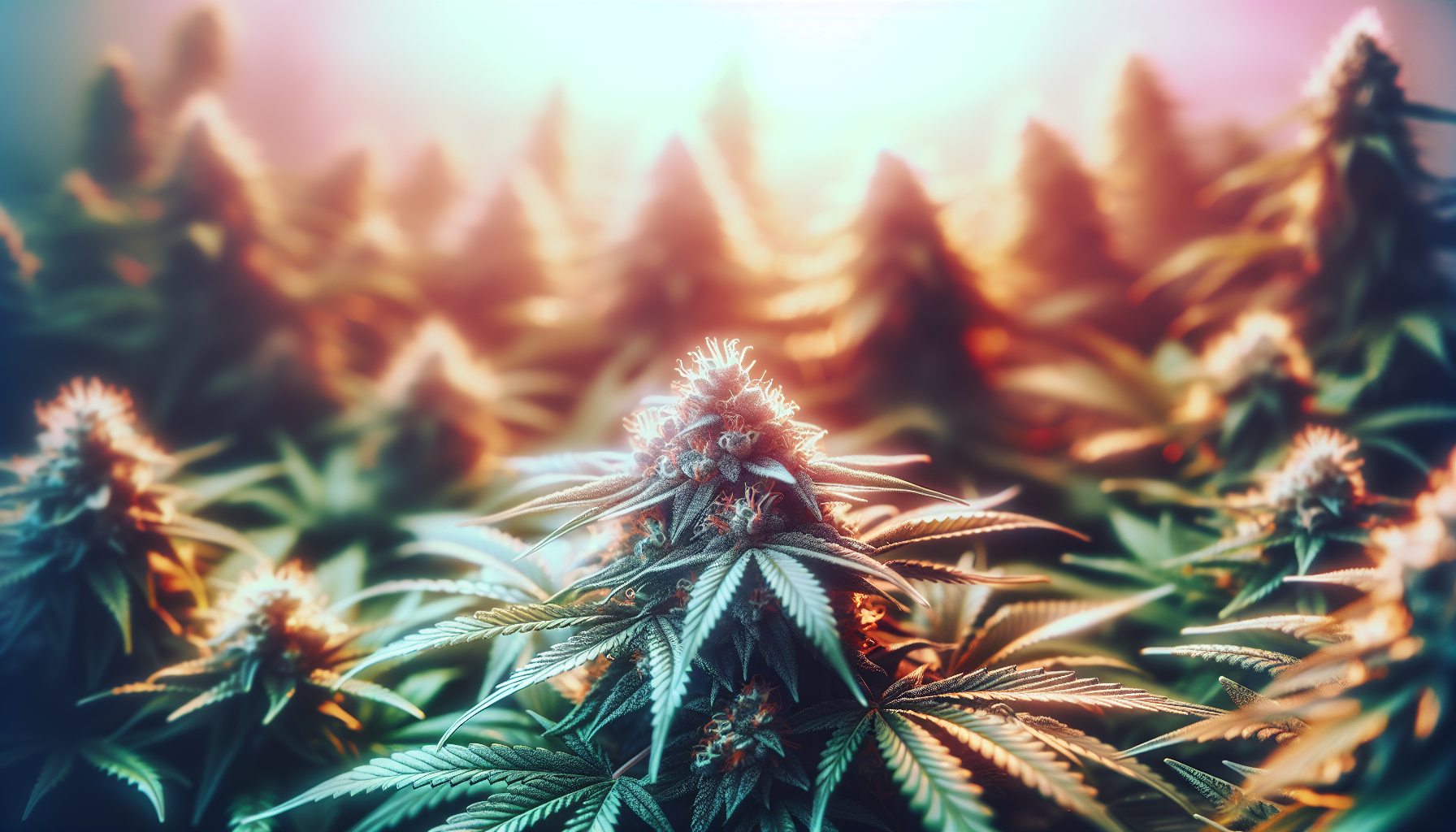
What is Botrytis?
Botrytis, also known as gray mold, is a widespread fungal disease that can significantly damage cannabis plants. In our experience, Botrytis often occurs when environmental conditions such as high humidity and poor ventilation are present. The fungal spores settle on the plants and can destroy large parts of the harvest in a short time.
The first signs of Botrytis are often small brown spots on the leaves, which quickly develop into gray, moldy areas. Botrytis is particularly dangerous during the flowering phase, as the dense flowers provide an ideal microclimate for the fungus.
Causes and Risk Factors
A major factor for the development of Botrytis is humidity. Values above 50% can promote the growth of the fungus. In our cultures, we have found that constant air circulation and a humidity level below 50% effectively contribute to prevention.
Another risk factor is planting density. Densely planted cannabis varieties offer less air circulation and thus promote the accumulation of moisture. Growing in media such as soil or rockwool can also increase the risk if good drainage is not ensured.
Detection and Diagnosis
Early detection of Botrytis is crucial to avoid major damage. Look for wilting leaves and gray-brown spots on the flowers. In some cases, a musty smell may also develop.
We recommend regularly inspecting the plants, especially during the critical flowering phases. If an infestation is detected, it is important to immediately remove and dispose of the affected parts to prevent spreading.
Prevention and Control
Good ventilation is essential to prevent Botrytis. Install fans to improve air circulation and use dehumidifiers to control moisture. Regular pruning of the plants can also help improve air circulation. Learn more in our article Properly Pruning Cannabis.
Another preventive measure is the use of biological fungicides based on copper or sulfur. These can be applied at regular intervals to prevent an infestation. However, we advise caution with dosing to avoid damaging the plants.
Sources
- Federal Center for Health Education – “Cannabis: Effects and Risks”, 2023
- Agricultural Chamber of North Rhine-Westphalia – “Pests on Ornamental Plants”, 2022
- German Farmers‘ Association – “Plant Protection in Horticulture”, 2021
- Hessian State Institute for Agriculture – “Botrytis and Other Fungal Diseases”, 2023

About the Author – Ben
Ben has been intensively involved in the cultivation and care of cuttings and the healthy development of plants during the growth phase for several years. His focus lies on low-stress training methods, stable growth conditions, and avoiding common care mistakes. The content is based on practical experience, proven methods, and real observations from daily work with young plants.
Expert contribution & updates: Hannah – Research, contextualization of current methods and observation of new developments.
More about the team behind LeafConnect