Hemp varieties 2026: Trends and innovations
Hemp varieties 2026: Trends and innovations
Hemp varieties 2026: Trends and Innovations In 2026, the world [...]
Hemp varieties 2026: Trends and Innovations
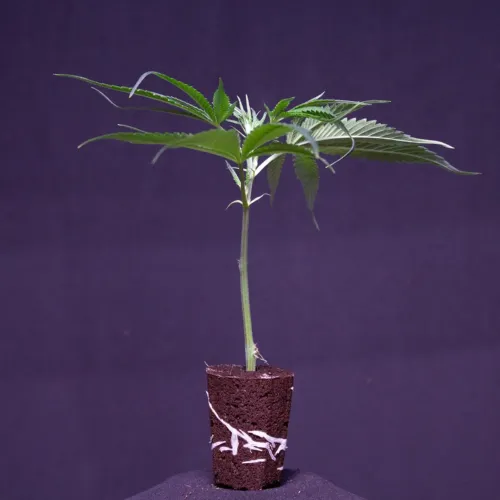
In 2026, the world of hemp varieties is poised for exciting developments that will excite both the industry and consumers alike. The rising demand for hemp products, fueled by ongoing legalization in many regions of the world, has significantly increased breeders’ interest in developing new and improved hemp strains. This dynamic is further supported by technological advancements and a growing awareness of health and environmental aspects. In this article, we take a comprehensive look at the latest trends and innovations in the world of hemp varieties. If you are planning to purchase hemp cuttings, it is essential to be informed about the latest strains and their specific characteristics in order to make an informed decision.
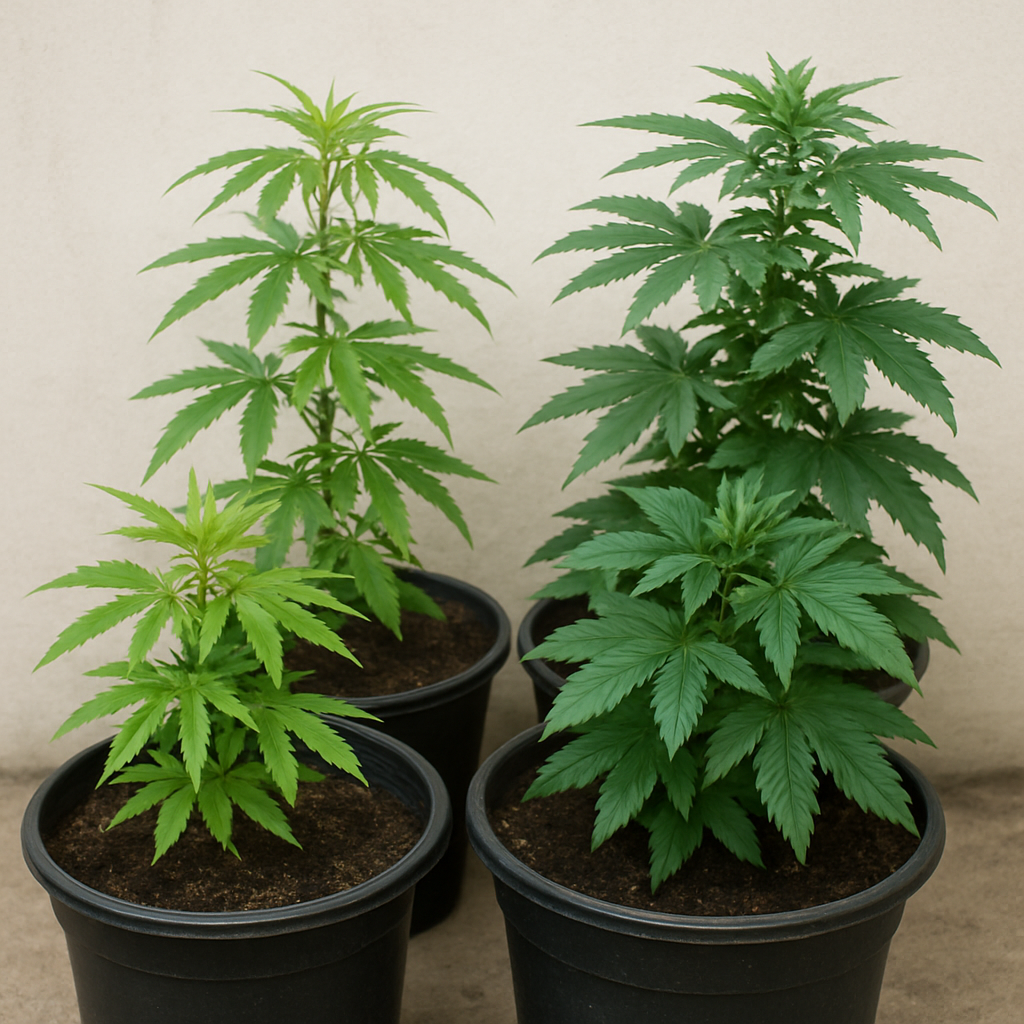
For consumers and growers alike, choosing the right cannabis strain is crucial, as it directly impacts the quality and benefits of the final product. Different strains can contain varying amounts of cannabinoids and terpenes, significantly influencing their effects and medicinal benefits. Furthermore, certain strains are better suited to cultivation in specific climates or under particular conditions, offering a significant advantage for growers seeking to optimize their harvest. Selecting the right strain can also provide economic benefits by increasing yield and reducing susceptibility to diseases and pests.
Trends in hemp varieties 2026
Sustainability in focus
A significant trend in 2026 is the increasing focus on sustainable cultivation methods aimed at minimizing the environmental footprint of hemp production. Growers are increasingly adopting organic practices to protect the environment while simultaneously improving the quality of their products. This includes the use of organic fertilizers, the avoidance of chemical pesticides, and the integration of renewable energy into the cultivation process. These environmentally conscious approaches are not only a marketing advantage but also contribute to the long-term preservation of the natural resources essential for hemp cultivation.
CBD-rich varieties
While THC-rich strains have often been the focus of attention in the past, the industry’s focus is increasingly shifting towards CBD-rich hemp varieties. These strains offer the therapeutic benefits of cannabidiol (CBD) without the psychoactive effects of tetrahydrocannabinol (THC), making them particularly appealing to consumers seeking health benefits. Demand for CBD-rich strains is steadily increasing as more people discover the potential health benefits of CBD, including relief from pain, anxiety, and insomnia.
New flavors and aromas
Innovation in breeding has led to a multitude of new flavors and aromas in cannabis strains, enriching the consumer experience. Breeders experiment with various crosses to create varieties with unique profiles, ranging from fruity and sweet to earthy and spicy. This diversity appeals to a wider range of consumers, making cannabis use a more enjoyable and personalized experience. The development of new flavors is often inspired by consumer desires for ever-new and exciting experiences.
Innovations in hemp cultivation
Genetic engineering advances
Thanks to remarkable advances in genetic engineering, breeders now have the ability to selectively highlight and optimize specific traits in cannabis varieties. Through genetic modifications, they can, for example, increase the content of certain cannabinoids or improve resistance to pests and diseases. This technology also allows breeders to develop varieties that are better suited to specific climatic conditions or cultivation methods, which can significantly increase adaptability and yield.
Automation in cultivation
Automation is playing an increasingly important role in hemp cultivation, revolutionizing how plants are grown and cared for. With the introduction of robotics and AI-powered systems, growers can increase the efficiency of their operations while simultaneously improving crop quality. These technologies allow for more precise control over the entire cultivation process, from irrigation and nutrient supply to harvesting and processing, resulting in reduced operating costs and improved product quality.
Vertical farming
Vertical farming, where plants are grown in stacked layers, is increasingly used in hemp cultivation and offers numerous advantages. This method maximizes available space and enables cultivation in urban areas where space is often limited. It also offers better control over essential environmental factors such as light, temperature, and humidity. Furthermore, vertical farming can help reduce water consumption and shorten harvest cycles, making it an attractive option for sustainable and efficient agriculture.
Buying hemp cuttings: What to look out for?
Quality of the cuttings
When buying cannabis cuttings, quality is crucial to ensuring a healthy and bountiful harvest. Make sure the cuttings look healthy and are free of pests or diseases, as these can jeopardize the entire crop. They should also come from a reliable source to guarantee they possess the desired genetic traits required for your specific growing needs. Careful selection of cuttings can mean the difference between a successful and a disappointing harvest.
Variety-specific requirements
Different cannabis strains have different requirements regarding light, nutrients, and care, which are crucial for optimal growth. Learn about the specific needs of the strain you intend to cultivate to ensure optimal growing conditions. This includes understanding the ideal temperature, humidity, and nutrient composition required by each strain. Precisely meeting these requirements can promote growth and maximize yield.
Growing conditions
Before purchasing cannabis cuttings, carefully consider your growing conditions to achieve the best results. Think about whether you plan to grow indoors or outdoors, and what the climate is like in your region, as these factors can greatly influence the choice of the appropriate strain. Indoor growing allows for more precise control over environmental conditions, while outdoor growing can benefit from natural light and larger growing areas. A thorough analysis of your growing conditions will help you select the strain that best suits your specific growing scenario.
Conclusion
The year 2026 promises exciting developments in the world of hemp varieties, opening up new possibilities for both growers and consumers. With a heightened focus on sustainability, the increasing popularity of CBD-rich strains, and innovative cultivation methods, growers and consumers face a wealth of new opportunities. If you’re planning to buy hemp clones, it’s essential to stay informed about the latest trends and innovations to make the best choice for your grow. The future of hemp cultivation looks bright, and it remains to be seen what further innovations the coming years will bring, potentially revolutionizing the way we grow and consume hemp.